

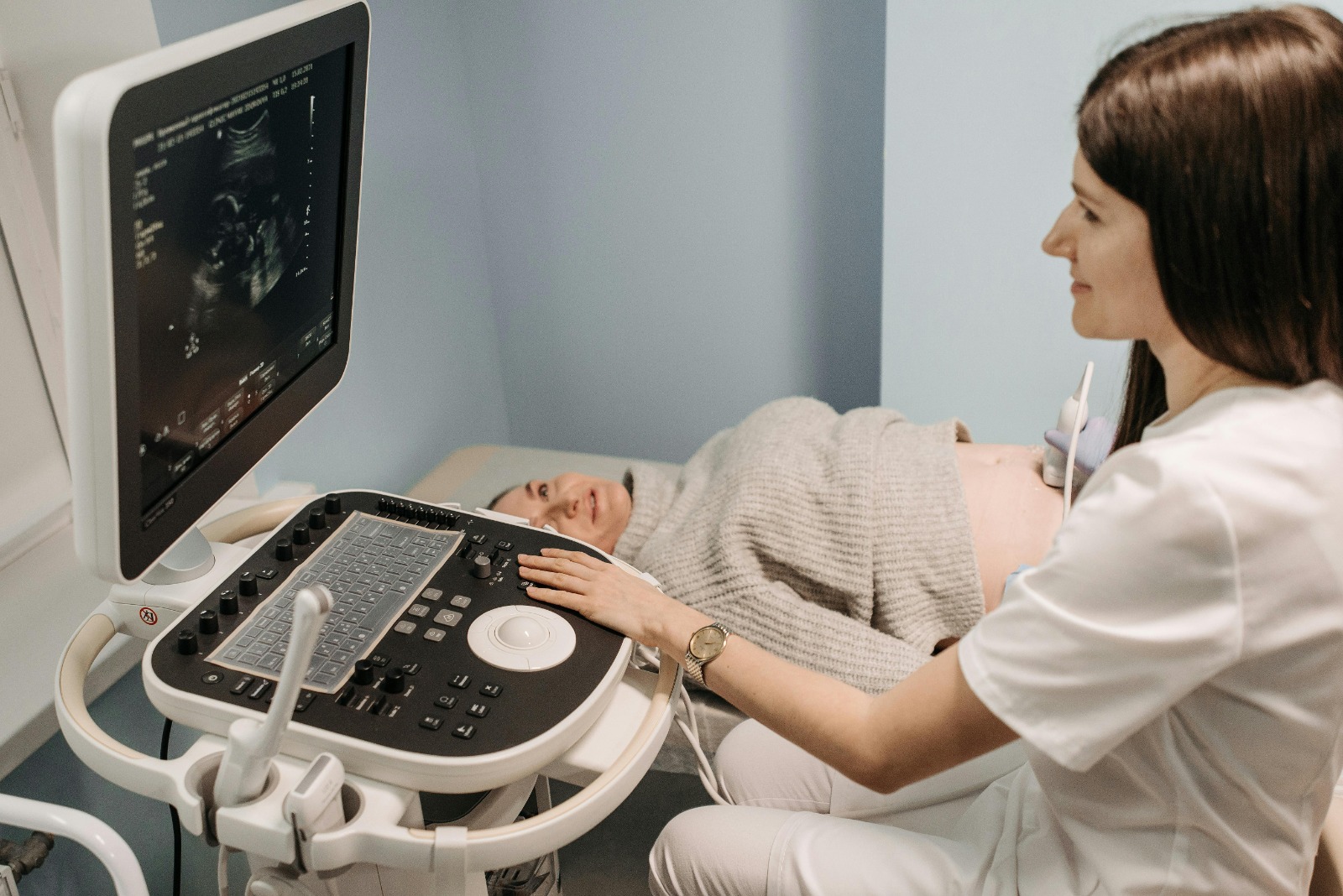
A DVT ultrasound scan (also known as a venous Doppler or duplex scan) is performed to check the deep veins in your leg or arm for a possible blood clot. The scan shows how well blood is flowing and whether any part of the vein is narrowed or blocked. This includes assessment of any single limb or both limbs, upper or lower, depending on your symptoms.
Why can a DVT be dangerous? In some cases, part of the clot can break away and travel to the lungs.
This is called a pulmonary embolism (PE) — a serious and potentially life‑threatening condition that needs urgent medical attention. When to seek an urgent DVT ultrasound scan (RVT Scan)
You should arrange a same‑day urgent scan if you notice any of the following:
These symptoms can be caused by a DVT and should not be ignored.
When to call 999 Call 999 immediately if you develop:
These can be signs of a pulmonary embolism, which is a medical emergency.
The scan shows how well blood is flowing through the veins and whether any part of the vein is blocked. This information helps your clinician understand:
Areas we can assess during your DVT scan:
This reassures patients that they are getting a full, thorough assessment.
After your scan, your sonographer will give you a clear explanation of the findings and provide a written report for you to keep or share with your healthcare professional.
If a DVT is found:
You will be advised to seek same‑day medical treatment / SDEC. This usually involves starting blood‑thinning medication, which can be prescribed by your GP, an urgent care centre, or a hospital team.
If no DVT is found:
Your report will confirm that no clot was seen and may suggest other possible causes for your symptoms, such as muscle strain, superficial thrombophlebitis, or lymphatic swelling. You can share this report with your GP or clinician for further advice if needed.
No special preparation is needed.
You can eat and drink normally and take your usual medication. Please wear clothing that allows easy access to the leg (shorts or loose trousers if possible).

01
Choose a date, time and location that suits you using our quick online booking form — no referral needed.

02
An experienced sonographer arrives at your home with advanced portable GE ultrasound equipment.

03
Findings are explained on the day and your detailed written report follows the same day or within 24 hours.